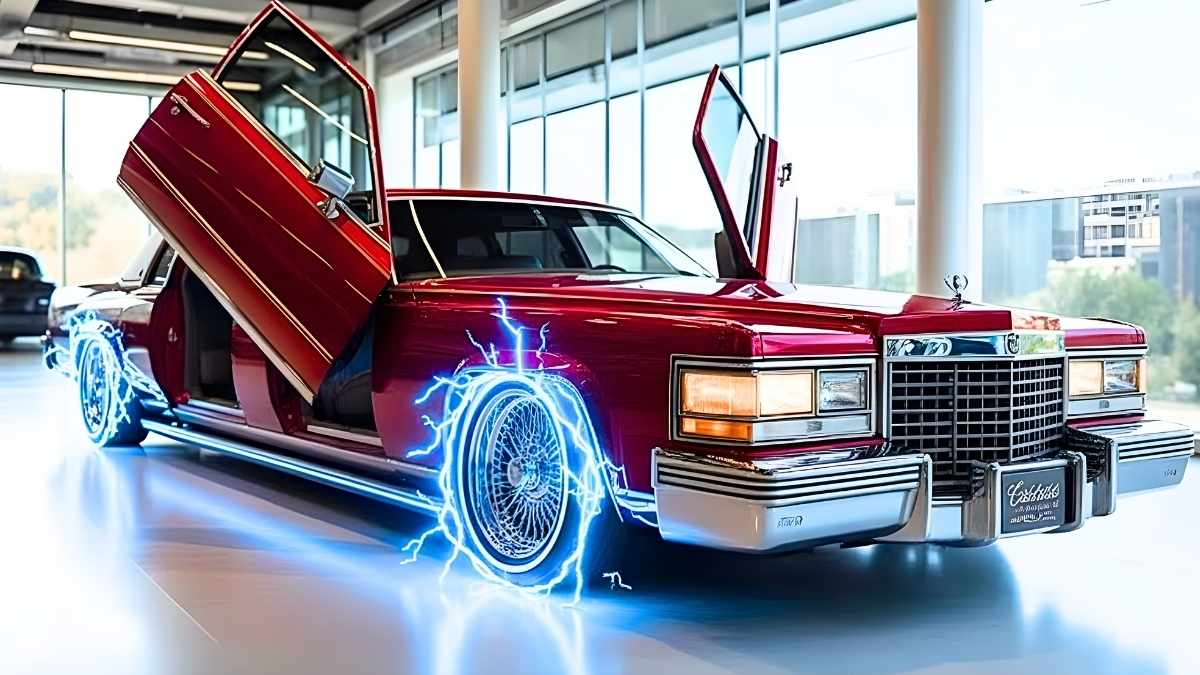
The automotive world is full of surprises, but every now and then a story emerges that feels almost unreal. The 1983 Cadillac Fleetwood Brougham, a sedan long associated with American luxury and the golden age of big-bodied cruisers, has suddenly found itself back in the spotlight. For decades, this model was viewed as a nostalgic artifact of a bygone era, admired mainly by collectors and classic car fans. Yet Cadillac has recently done something few expected: they revived interest in the 1983 Fleetwood Brougham in a way that feels fresh, relevant, and even forward-looking.
This renewed attention has turned what was once an aging classic into a symbol of Cadillac’s enduring identity. It represents a moment where heritage, craftsmanship, and modern appreciation intersect in a dramatic and fascinating way.
Why the 1983 Fleetwood Brougham Stands Out
The 1983 Fleetwood Brougham is remembered as one of the last true symbols of traditional American luxury. It was large, comfortable, smooth, and unmistakably elegant. At a time when automakers were beginning to downsize cars to meet new fuel and emission standards, Cadillac managed to hold onto much of the old charm that defined its brand.
The long hood, squared edges, sharp chrome lines, and stately presence made the Fleetwood Brougham instantly recognizable. It wasn’t trying to be sporty or modern; it embraced comfort, quietness, and commanding road presence. This was a car built for relaxed cruising, soft suspension, and an interior that felt like a living room on wheels.
For enthusiasts, the 1983 model holds a special spot because it represents the transition era between the massive land yachts of the 1970s and the more refined luxury sedans that would follow in later decades. It captured the last breath of an automotive philosophy that valued grandeur above all else.

The Impossible Comeback
It’s rare for a car from the early 1980s to suddenly reappear in conversation, especially in a world where electric vehicles, performance SUVs, and compact crossovers dominate attention. Yet Cadillac managed to make it happen.
Whether through promotional campaigns, restored showcases, or renewed cultural spotlight, the 1983 Fleetwood Brougham has suddenly become a talking point in the automotive community. The move is unusual because many manufacturers distance themselves from older models that don’t align with modern design trends. Cadillac, however, leaned into nostalgia and heritage, reminding the world of its long-standing reputation for producing vehicles that defined American luxury.
This unexpected revival has created a stir among young drivers, classic car restorers, and long-time Cadillac loyalists. The Fleetwood Brougham is being seen through a new lens, not only as a relic but as a reminder of craftsmanship and authenticity that many feel is missing from today’s mass-produced designs.
A Symbol of Cadillac’s Golden Era
The 1983 Fleetwood Brougham is often linked with Cadillac’s golden era. Its deep-pile upholstery, real wood trim, spacious rear seating, and classic dashboard design offered a level of comfort that felt almost indulgent. It wasn’t about speed or cutting-edge technology. It was about the journey itself.
Modern cars chase efficiency, aerodynamics, and digital integration. Cars like the 1983 Fleetwood Brougham pursued a different goal: making the driver feel important, relaxed, and surrounded by luxury. That philosophy has aged surprisingly well, and its comeback highlights how the essence of luxury has shifted yet still retains roots in this era.

Cadillac revisiting this model also helps differentiate its brand identity in a crowded luxury market. Many modern brands feel interchangeable, but the Fleetwood Brougham era reminds people of what made Cadillac unique.
The Cultural Impact of a Classic
The unexpected resurgence of the 1983 Fleetwood Brougham hasn’t just sparked automotive discussions; it has revived cultural appreciation as well. This model has long appeared in films, music videos, and urban culture, often symbolizing status, comfort, and style. Its boxy frame and elegant presence made it a favorite among collectors and custom builders.
With Cadillac shining a light back on this classic, its cultural significance has also resurfaced. Younger generations are discovering the appeal of big-bodied cars that stand apart from modern designs. Social media and classic-car events have played a major role in this renewed admiration, with restored Fleetwoods gaining traction in videos, showcases, and meetups.
Restoration and Modern Interest
One of the most surprising outcomes of Cadillac’s move is the boost it has given to the restoration community. Demand for parts, refurbished interiors, and original accessories has increased. Restorers who once struggled to find buyers for 1980s-era Cadillacs are now seeing a rising interest from enthusiasts wanting to revive or customize the model.
Custom shops are adding new suspension systems, updated audio equipment, and modern reliability upgrades while keeping the iconic exterior intact. This blending of vintage appearance and modern improvements has helped the 1983 Fleetwood Brougham appeal to both classic purists and younger drivers who want nostalgia with modern usability.

Why Cadillac’s Move Matters
Celebrating the 1983 Fleetwood Brougham is not just about honoring the past. It is also a strategic reminder that heritage is a powerful tool. As Cadillac moves further into electric vehicles and future-oriented design, grounding the brand in its history strengthens its identity.
Luxury is not only about new technology; it is about character, emotion, and lineage. By spotlighting a model that defined much of Cadillac’s prestige, the company anchored itself in a legacy that many brands can only admire from afar.
Key Highlights
- The 1983 Cadillac Fleetwood Brougham has regained attention due to Cadillac’s renewed spotlight on its heritage
- The car stands out as one of the last true icons of classic American luxury
- Its design emphasizes comfort, presence, and timeless elegance
- Restorations and cultural interest in the model have grown significantly
- Younger generations are discovering the appeal of big-bodied classics
- Cadillac’s move reinforces the importance of brand heritage in a modern market
Final Words
The return of the 1983 Fleetwood Brougham to public attention is more than just a nostalgia trip. It is a reminder that some vehicles leave a lasting impression because they capture a moment in time so perfectly that their presence can never truly fade. Cadillac’s unexpected move to highlight this model has reignited appreciation for an era when luxury was defined by space, comfort, and craftsmanship.
In an age where automotive design is rapidly changing, the revival of the Fleetwood Brougham serves as a bridge between the past and the future. It stands as proof that true classics never disappear; they simply wait for the right moment to shine again.
